
Table of Contents
Overview: Wool Carpet Pros and Cons
Wool carpet has a timeless reputation that precedes it. Ask anyone who grew up with a wool rug in the living room, and they will tell you about the warmth and the difference in texture underfoot. Visually, wool carpets never seem to look worn out no matter how many years have passed. Ask a first-time homeowner shopping for carpet today and you might get a more cautious answer, often something about price points. Both reactions are fair. Wool is one of the oldest flooring materials in the world. It earns its premium price tag through genuine performance, but that still depends on the intended purpose of your home space.
At Lewis Floor & Home, we get questions about wool carpet pros and cons nearly every week from homeowners across Chicago's North Shore, and the honest answer is always the same: it depends on your household, your rooms, and what you value most on a floor. This guide walks through what wool is, where it shines, where it struggles, how it stacks up against nylon, and who tends to love it most.
What Makes Wool Unique Compared to Synthetic Carpet Fibers
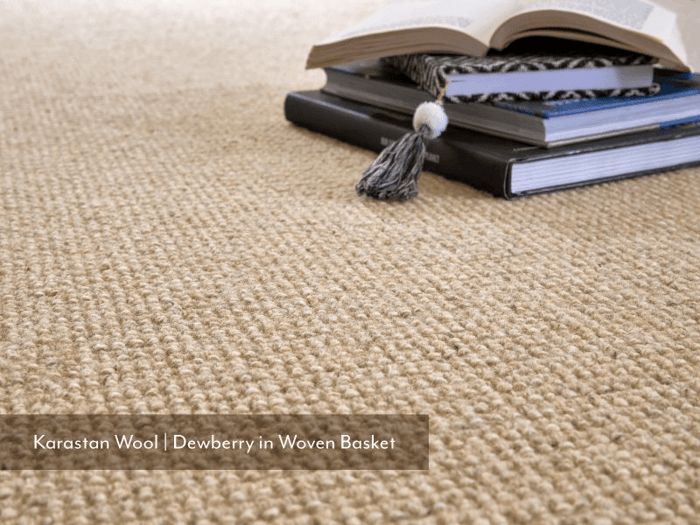
Fiber makeup is often what stands out when it comes to wool carpet pros and cons. Most carpets sold today are made from synthetic fibers such as nylon, polyester, and olefin. Wool is unique since it starts as a natural fiber sheared from sheep. This means each strand has a natural crimp and slightly coiled structure. The result underfoot is a springy yet resilient feeling. Often, these fibers also help when it comes to bouncing back against furniture and heavy foot traffic.
That crimp also traps air within the fiber, which is why it feels warmer underfoot. This feature acts as a natural insulator in a room. Synthetic fibers can be engineered to mimic some of these qualities through chemical treatments, but wool arrives with them already built in, which is a big part of why designers still consider it the benchmark when it comes to carpet luxury.
Aesthetic Appeal: Unmatched Beauty at Every Step
Underfoot and to the eye, wool has a substantial and tactile quality. These textures feature a slight loft and softness that’s enduring, a component to be considered when looking at wool pros and cons. The kind of quiet luxury that signals craftsmanship over convenience. In a room, it grounds the space with warmth and texture, acting less like a functional surface and more like a centerpiece for a room—an anchor that ties furniture, light, and color together with an heirloom of timeless sensibility.

Additional Benefits: Style Meets Sustainability
Wool is a renewable resource. Sheep produce a new fleece every year, and at the end of a wool carpet's long life, the fiber is biodegradable, unlike synthetic carpet, which can sit in a landfill for generations. Wool also has a quiet reputation as a natural air filter of sorts, since its fibers can absorb trace amounts of indoor air pollutants like formaldehyde and can help buffer indoor humidity by taking in and releasing moisture from the air as conditions change.
The Cons of Wool Carpet
Higher Cost
There is no getting around it: wool carpet costs more than synthetic alternatives, often noticeably more. Wool carpet typically runs several dollars more per square foot than a comparable nylon carpet, and the gap widens for higher quality New Zealand wool or premium wool blends. For many homeowners, that upfront investment is the single biggest factor in the decision.
Moisture Sensitivity
Wool's ability to absorb moisture from the air is a benefit in normal household humidity, but it becomes a liability around standing water or repeated spills. The fibers can absorb roughly a third of its own weight in moisture without feeling damp to the touch, which sounds impressive until you consider that prolonged dampness trapped deep in the fiber can encourage mold or mildew. This is why wool is not usually recommended for bathrooms, basements, or other spaces with regular water exposure.
Shedding
New wool carpet sheds. When it comes to Wool carpet pros and cons, this in particular surprises a lot of first-time buyers who assume something is wrong with the product. Wool carpet sheds left over fibers from the manufacturing process during the first several weeks after installation. It’s a temporary nuisance rather than a lasting flaw, but it is worth noting before it happens in your own living room.
Professional Cleaning
Wool needs extra attention. It can’t be cleaned the same way as other carpet fibers. High heat, harsh chemicals, and standard steam cleaning methods can damage the wool. Most manufacturers and cleaning professionals recommend low moisture cleaning methods and wool safe products. This may require periodic professional cleaning to keep the carpet looking its finest. That added step is a real consideration for homeowners who want an effortless maintenance routine.
Wool vs Nylon: Which Performs Better Long Term?
Nylon is also a highly desirable fiber most often compared to wool—and for good reason. It’s the most widely used carpet fiber in the country. Nylon was engineered specifically to compete with wool in terms of aesthetic and durability. The comparison usually comes down to a handful of factors.

Overall Cost: nylon is generally less pricey than wool, often by a significant margin. This makes it a more budget friendly choice for large areas or rental properties.
Stain Resistance: nylon, especially when treated with a stain resistance finish, generally outperforms wool against everyday spills. This matters when it comes to households with families, pets, or high-foot traffic areas.
Resilience Underfoot: both fibers are considered resilient, but wool's natural crimp gives it a slight edge in bouncing back from furniture indentions and heavy foot traffic over many years.
Moisture and Humid Climates: nylon does not absorb moisture the way wool does, so it tends to perform more predictably in humid climates or moisture prone rooms.
Feel and Appearance: wool carries a softness and visual depth that most homeowners and designers still consider unmatched, though modern day nylon has closed the gap considerably.
Environmental Impact: wool is renewable and biodegradable, while nylon is a petroleum-based product with a longer breakdown timeline.
Who Wool Carpet is Ideal For?
Wool carpet tends to make the most sense for households and rooms with a particular set of priorities, rather than every home across the broad.
1. Homeowners who plan to stay in their home for a long time. These floors increase value overtime.
2. Formal living rooms, primary bedrooms, home offices, and spaces where comfort and aesthetic can be enjoyed without the risk of water damage.
3. Households that are sensitive to indoor air quality or looking for VOC (more natural materials in their home).
4. Homeowners or designers drawn to the specific texture and depth that only natural fiber provides, especially in a formal or traditional design scheme.
5. For homes in cooler or drier climates, wool brings warmth and coziness.
Recommendations From Our Distinguished Designers
Lewis Floor & Home has been the North Shore's destination for flooring for more than seventy years. Wool carpet has remained part of that story from the beginning. Experience a curated selection of wool and wool blend carpets from respected mills. This includes Karastan, Masland, and Stanton, alongside an entire lineup of premium wool blend options for homeowners who want the durability of a natural fiber with a bit of added stain protection. 
Schedule An Appointment Our design consultants can walk you through samples in person, talk through which rooms in your home are the best fit for wool, and help you compare it side by side with nylon and other cozy carpet options so you can make the right decision for your home space. If you are weighing wool against nylon or simply want to feel the difference for yourself.
We would love to have you stop by the showroom or schedule an appointment with one of our design consultants.
FAQs
Is wool carpet a good choice if I'm trying to be more eco-conscious?
Yes. Wool is a renewable resource since sheep regrow their fleece every year, and wool carpet is biodegradable, meaning it won't linger in a landfill for decades after it's replaced.
Will wool carpet hold up if I have spills or a busy household?
Depends on the room and your home needs. Depending on the fiber composition, Wool naturally resists stains better than other natural fibers and holds up well under foot traffic. But depending on the fiber, wool could also be better suited to low-traffic spaces since its delicate nature means it can see more wear and tear in homes with pets or kids.
Can I install wool carpet in a basement or bathroom?
It's not recommended. Natural fiber carpets, wool included, aren't fans of water. Best to keep wool out of basements or other moisture-prone areas to avoid issues like mold or fiber damage.